Ding Dong: A Bold, Playful Font for Creative Workflows
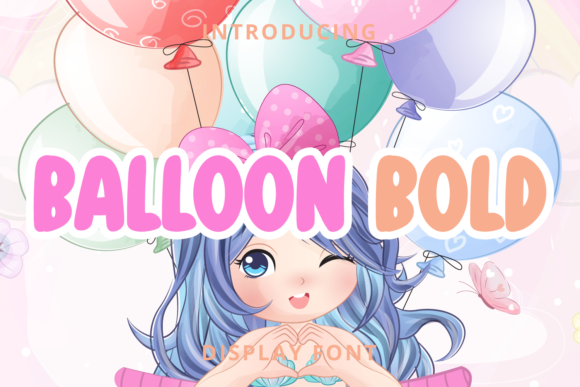
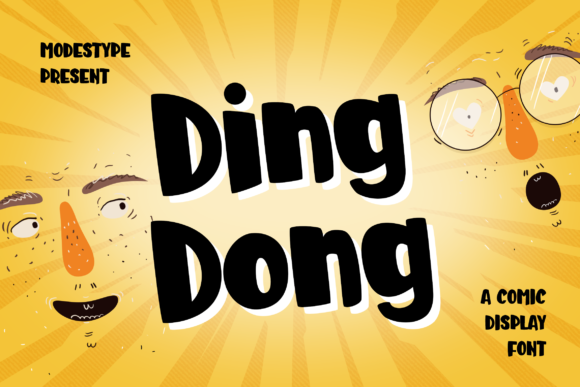
The Ding Dong font is a standout choice for designers, marketers, and creators looking to add a touch of fun and energy to their projects. With its chunky lettering and lively aesthetic, Ding Dong is ideal for anything that requires a playful or whimsical tone. Whether you're working on a children's book, a brand identity, or a social media campaign, this font can bring a sense of joy and creativity to your design work.
Understanding Ding Dong and Its Role in Design Processes
Ding Dong is more than just a visual element—it's a tool that can influence the overall feel and message of a project. It fits naturally into workflows where boldness and expressiveness are key. For example, in the early stages of a creative project, using Ding Dong can help spark ideas by introducing a fresh, energetic perspective. During the execution phase, it can serve as a unifying visual element that ties together different components of a design.
When integrating Ding Dong into a workflow, it's important to consider how it interacts with other design elements. This font works best when paired with clean, simple backgrounds or complementary typefaces that don't compete with its bold presence. In a branding context, for instance, Ding Dong might be used for headlines or logos while more traditional fonts handle body text.
Using Ding Dong Before, During, and After a Project
Before starting a project, Ding Dong can be a useful reference point for setting the tone. If you're planning a campaign around fun, celebration, or lightheartedness, incorporating Ding Dong into mood boards or style guides can help align the team around a shared vision. It can also be a helpful tool for brainstorming sessions, where its playful nature encourages creative thinking.
During the design process, Ding Dong can be applied to various elements such as titles, banners, or call-to-action buttons. Its chunky letters make it highly legible at larger sizes, which is especially useful for signage, posters, or digital ads. When working on a website or app, Ding Dong can be used strategically to highlight key sections without overwhelming the user experience.
After a project is complete, Ding Dong can still play a role in evaluating its success. By reviewing how the font was used across different platforms, you can assess whether it contributed to the desired emotional response. This feedback can inform future choices and help refine your design approach over time.
Integration with Other Tools and Resources
Ding Dong works well alongside a variety of design tools and platforms. In graphic design software like Adobe Illustrator or Canva, it can be easily applied to text layers, making it a versatile option for both print and digital media. When using it in web development, it's important to ensure compatibility with different browsers and devices to maintain consistency across platforms.
For teams, Ding Dong can be part of a shared design system, helping to maintain a cohesive look and feel across multiple projects. This is especially valuable in environments where multiple designers or stakeholders are involved. By including Ding Dong in a style guide, you can streamline the design process and reduce the need for constant revisions.
Practical Implementation Tips
When using Ding Dong, start by testing it in different contexts to see how it performs. For example, try using it in a mock-up of a social media post or a flyer to gauge its effectiveness. Pay attention to how it looks in both large and small sizes, as well as on different background colors and textures.
Consider the audience when deciding where to use Ding Dong. While it's great for younger demographics or playful brands, it may not be suitable for more formal or professional settings. Always align the font choice with the overall message and goals of the project.
Another tip is to use Ding Dong sparingly. Because of its bold and eye-catching nature, it can quickly become overwhelming if overused. Limit its use to key elements such as headings, titles, or decorative accents to maintain balance and readability.
Workflow Examples and Use Cases
One practical use case for Ding Dong is in marketing campaigns targeting children or families. For example, a toy company might use Ding Dong for product packaging, advertisements, or promotional materials to create a fun and engaging visual identity. The font's playful character helps reinforce the brand's personality and appeal to the target audience.
In educational settings, Ding Dong can be used to make learning materials more engaging. Teachers or instructional designers might use it for lesson titles, flashcards, or interactive content to capture students' attention and make the material more enjoyable. This can be particularly effective in early childhood education or after-school programs.
Entrepreneurs and small business owners can also benefit from using Ding Dong in their branding efforts. Whether launching a new product line, creating a logo, or designing a website, the font can help convey a sense of creativity and innovation. It's especially useful for businesses that want to stand out in competitive markets by offering a unique visual identity.
Long-Term Use and Consistency
For long-term projects or ongoing design work, maintaining consistency is crucial. When using Ding Dong, it's important to establish clear guidelines for its application. This includes specifying where and how it should be used, as well as any limitations or restrictions. Consistency helps build brand recognition and ensures that the font contributes positively to the overall design language.
Regularly reviewing and updating the use of Ding Dong can also help keep it relevant and effective. As trends evolve and design preferences change, it may be necessary to adjust how the font is used or replace it with a different typeface. Staying adaptable ensures that your design work remains fresh and aligned with current standards.
Final Thoughts on Using Ding Dong
Ding Dong is a powerful tool for anyone looking to infuse their work with a sense of fun and creativity. Its bold, chunky letters make it highly visible and expressive, making it ideal for a wide range of applications. Whether you're a designer, marketer, educator, or entrepreneur, incorporating Ding Dong into your workflow can enhance the visual impact of your projects and help communicate your message more effectively.
By understanding how to use Ding Dong in different contexts and integrating it thoughtfully into your design processes, you can unlock its full potential. With the right approach, this font can become a valuable asset in your creative toolkit, helping you achieve better results and greater engagement with your audience.