Amithea: A Bold, Robotic Font for Creative Impact
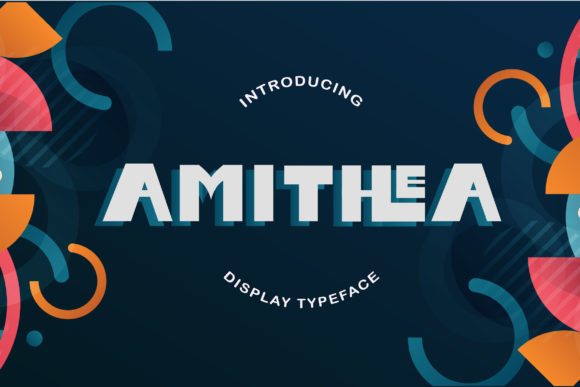
In a world where visual communication is everything, the right font can make all the difference. Amithea stands out as a striking display font that combines boldness, thickness, and a robotic aesthetic to capture attention and convey strength. Whether you're designing a logo, creating a marketing campaign, or simply looking to add some edge to your text, Amithea offers a unique style that can elevate your work.
Designed with a thick, bold structure, Amithea is ideal for projects that require a strong visual presence. Its robotic styling gives it a modern, futuristic feel, making it a great choice for tech-related designs, branding, or any project that needs a bit of edge. The font’s PUA encoding ensures that users have full access to all its glyphs and swashes, allowing for greater flexibility and creativity in design applications.
Why Amithea Matters for Designers and Creators
For professionals in design, marketing, and content creation, the choice of font can influence how a message is perceived. Amithea provides a powerful tool for those who want to make a statement without relying on generic typefaces. Its bold and thick characteristics make it highly legible at large sizes, which is essential for headings, titles, and other prominent text elements.
Consider a scenario where a startup is launching a new app. Using Amithea for their brand name or tagline could instantly communicate innovation and confidence. Similarly, a designer working on a poster for a tech conference might use Amithea to draw attention and reinforce the event's forward-thinking theme.
Practical Benefits of Using Amithea
The practical advantages of Amithea extend beyond aesthetics. Its PUA encoding means that users can access all the font's special characters and decorative elements without needing complex keyboard shortcuts or additional software. This makes it easier to incorporate unique stylistic choices into designs, saving time and effort during the creative process.
For example, a graphic designer working on a magazine layout might use Amithea’s swashes to add a touch of flair to headlines. The ability to access these features directly enhances the design workflow, allowing for more expressive and personalized typography. This level of control is especially valuable for professionals who need to maintain a consistent visual identity across multiple platforms and media.
Who Can Benefit Most from Amithea?
Amithea is particularly well-suited for individuals and businesses that prioritize visual impact and uniqueness. Entrepreneurs launching a new product or service may find that using Amithea helps differentiate their brand in a crowded market. Its bold and robotic style can signal innovation, reliability, and a forward-thinking approach—key attributes for attracting customers and building trust.
Marketers and advertisers also stand to gain from Amithea’s strong visual presence. In digital campaigns, where attention spans are short, a font like Amithea can help messages stand out. Whether it's used in social media posts, email newsletters, or website headers, Amithea can enhance the overall appeal of a campaign and drive engagement.
Real-World Applications of Amithea
One common use case for Amithea is in branding and logo design. A business looking to create a memorable logo may choose Amithea to reflect its personality and values. For instance, a gaming company might use Amithea to emphasize the high-energy and immersive nature of its products. The font’s thick strokes and robotic edges can evoke a sense of power and precision, aligning with the brand’s identity.
Another application is in editorial design. Publishers and content creators often seek fonts that can add visual interest to their work without compromising readability. Amithea can be used for section titles, captions, or feature headlines, providing a dynamic contrast to more traditional typefaces. This versatility makes it a valuable addition to any designer’s toolkit.
Limitations and Considerations
While Amithea offers many benefits, it’s important to consider its suitability for different contexts. Due to its bold and thick nature, it may not be the best choice for body text or long paragraphs. In such cases, a more traditional sans-serif or serif font would be more appropriate for readability.
Additionally, users should ensure that Amithea is compatible with their design software and intended output. While most modern design tools support PUA-encoded fonts, it’s always a good idea to test the font in different environments before finalizing a project. This helps avoid unexpected issues and ensures that the font performs as expected.
How Amithea Supports Creativity and Efficiency
For creatives, the ability to experiment with different typographic styles is essential. Amithea provides a foundation for exploring new design directions while maintaining a professional look. Its robust character set allows for more expressive and customized typography, giving designers the freedom to push boundaries and create something truly unique.
Efficiency is another key advantage. By offering direct access to all glyphs and swashes, Amithea reduces the need for additional steps or workarounds during the design process. This streamlined approach saves time and allows creators to focus more on the overall vision rather than technical limitations.
Final Thoughts on Amithea
Amithea is more than just a font—it’s a tool that can enhance the visual impact of any project. Its bold, thick, and robotic style makes it ideal for a wide range of applications, from branding and advertising to editorial and digital design. By choosing Amithea, designers and professionals can add a distinctive element to their work that captures attention and communicates strength.
Whether you're looking to make a statement, improve your design workflow, or explore new typographic possibilities, Amithea offers a compelling solution. With its PUA encoding and versatile character set, it’s a font that supports both creativity and practicality, making it a valuable asset for anyone involved in visual communication.