Lakuo: Retro Style for Modern Design
In a world where digital typography often leans toward minimalism, Lakuo stands out as a bold and distinctive display font that brings a retro flair to modern design. With its unique character and stylish appeal, Lakuo is more than just a font—it's a creative tool that can elevate your visual projects in meaningful ways. Whether you're designing a logo, crafting stationery, or creating eye-catching titles, Lakuo offers a fresh approach that can make your work stand out.
What Makes Lakuo Unique?
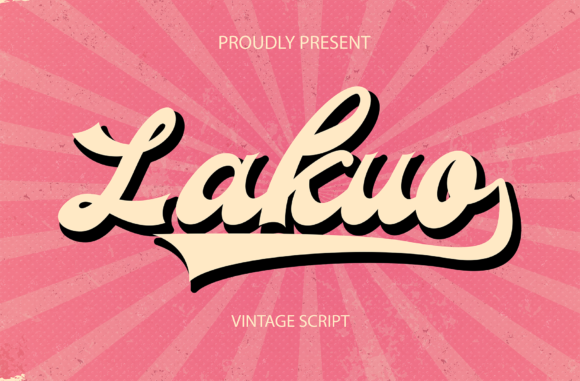
Lakuo is designed with a vintage aesthetic that blends nostalgia with contemporary design sensibilities. Its letterforms feature subtle imperfections and organic curves that give it a handcrafted feel, making it ideal for projects that aim to evoke a sense of authenticity. Unlike many fonts that prioritize uniformity, Lakuo embraces a more relaxed, artistic style that feels personal and expressive.
This font is particularly well-suited for creative professionals who want to add a touch of personality to their designs. Its readability at larger sizes makes it perfect for headlines, logos, and branding elements, while its distinct look ensures that your work doesn't get lost in a sea of generic typefaces.
Practical Benefits of Using Lakuo
For designers, marketers, and content creators, the right font can significantly impact how a message is received. Lakuo offers several practical benefits that can enhance your workflow and results. One of its key advantages is its ability to convey a specific mood or tone. The retro style of Lakuo can help communicate a sense of history, craftsmanship, or artistic flair—making it an excellent choice for brands or projects with a storytelling element.
Consider a small business owner looking to create a custom logo. By using Lakuo, they can differentiate their brand from competitors who might be using more common fonts. This not only helps with brand recognition but also reinforces the uniqueness of their offerings. Similarly, a blogger or content creator might use Lakuo for headings on a website or social media posts to add visual interest and draw attention to key points.
Applications Across Different Industries
Lakuo's versatility makes it a valuable asset across various industries. For example, in the publishing world, authors and editors might use it for book covers or chapter headings to create a nostalgic yet modern feel. In the realm of stationery, Lakuo can transform simple business cards, invitations, or packaging into something visually compelling and memorable.
Entrepreneurs launching a new product line may find Lakuo useful for creating packaging or promotional materials that reflect a retro-inspired theme. Its ability to blend seamlessly with other design elements means it can be used in both digital and print formats without losing its character. For educators or presenters, using Lakuo in slides or handouts can add a creative edge that captures attention and enhances engagement.
Who Can Benefit Most from Lakuo?
While Lakuo appeals to a broad audience, certain groups may find it especially beneficial. Creative professionals such as graphic designers, illustrators, and artists will appreciate its expressive nature and ability to add a unique touch to their work. Small business owners and independent creators looking to build a strong brand identity can use Lakuo to stand out in a competitive market.
Additionally, hobbyists and DIY enthusiasts may enjoy using Lakuo for personal projects like handmade cards, scrapbooks, or custom t-shirts. Its retro charm can bring a sense of nostalgia and individuality to these creations, making them more meaningful and personal. For those working on projects with a historical or vintage theme, Lakuo provides a font that complements the overall aesthetic without feeling forced or outdated.
Limitations and Considerations
While Lakuo is a powerful tool, it's important to consider its limitations. Its distinctive style may not be suitable for all design contexts. For instance, in formal or highly professional settings, a more traditional font might be more appropriate. Additionally, because of its unique character, Lakuo may require careful pairing with other fonts to ensure readability and balance in a design.
Users should also consider the technical aspects of using Lakuo. It’s essential to check that the font is available in the desired format and that it works well across different platforms and devices. Testing the font in various applications—such as graphic design software, word processors, or web browsers—can help ensure that it performs as expected.
How to Incorporate Lakuo Into Your Workflow
Integrating Lakuo into your design process doesn’t have to be complicated. Start by experimenting with it in small, non-critical projects to see how it fits with your style and goals. Use it for headings, titles, or accents to test its impact without overcommitting. As you become more familiar with its characteristics, you can gradually incorporate it into more significant design elements.
When working with clients or collaborators, communicate the purpose behind using Lakuo. Explaining how it aligns with the project’s vision or brand identity can help others understand its value. This transparency can lead to better collaboration and more effective design outcomes.
Conclusion: A Font That Speaks Volumes
Lakuo is more than just a font—it's a design choice that can add depth, character, and personality to your work. Its retro style and modern appeal make it a versatile option for a wide range of creative and professional applications. Whether you're looking to enhance your branding, create engaging content, or simply add a unique touch to your projects, Lakuo offers a fresh and expressive alternative to more conventional typefaces.
By understanding its strengths and limitations, you can make informed decisions about when and how to use it. Ultimately, Lakuo is a tool that empowers you to express your ideas with style and confidence, helping you stand out in a visually saturated world.