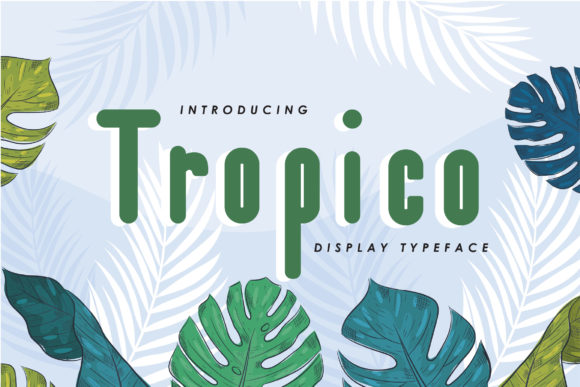
Tropico: A Paint-Brushed Display Font for Creative Projects
If you're looking for a font that adds a touch of personality and visual flair to your designs, Tropico might just be the perfect fit. This paint-brushed display font has a unique handcrafted feel that can elevate everything from digital graphics to printed materials. Whether you're working on a logo, a social media post, or a greeting card, Tropico offers a fresh and expressive alternative to more conventional typefaces.
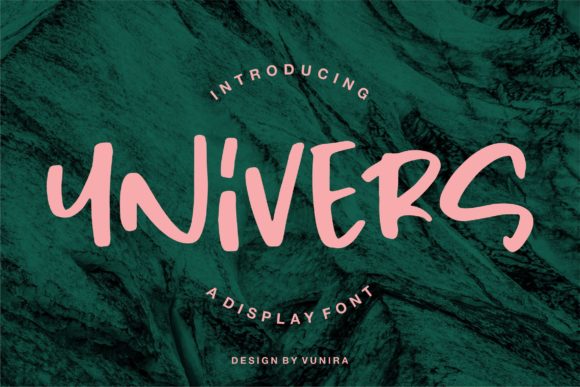
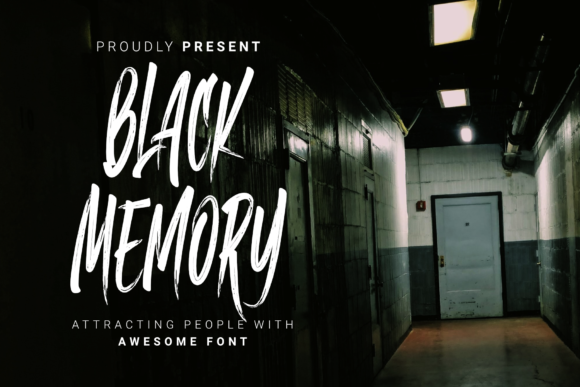
At first glance, Tropico's brush-like strokes and irregular edges give it a dynamic, almost artistic quality. It's not a rigid serif or a clean sans serif—it's something in between, with a playful yet professional vibe. The font’s character is both bold and approachable, making it ideal for projects that need a little extra charm without sacrificing clarity.
One of Tropico’s greatest strengths is its versatility. It works well in a variety of design contexts, from editorial layouts to branding materials. Its natural, handwritten look makes it particularly effective for creative projects that aim to convey warmth, authenticity, or a personal touch. However, it's also sophisticated enough to hold its own in more formal settings when used thoughtfully.
Where Tropico Shines in Design
Tropico excels in situations where visual interest and character are key. For example, in logo design, it can add a distinctive edge that sets a brand apart. Its brush-like texture gives it a sense of movement and energy, which can be especially effective for businesses in the arts, food, or lifestyle industries. When paired with a simple, clean typeface, Tropico can create a balanced and memorable visual identity.
In editorial design, Tropico can serve as a strong headline font. Its bold strokes and irregular forms make it stand out on a page, drawing the reader’s eye and adding a sense of excitement. It’s also great for packaging design, where it can help products catch attention on shelves. The font’s handcrafted aesthetic aligns well with trends in artisanal and eco-friendly branding.
On the web, Tropico can be used for headings, banners, or callout text. While it may not be the best choice for body copy due to its complexity, it can add a striking visual element to websites, especially those with a creative or artistic theme. In social media graphics, it can help posts stand out in crowded feeds, offering a unique and engaging look.
How Tropico Influences Branding and Design
Fonts play a crucial role in how audiences perceive a brand. Tropico’s expressive style can help convey a brand’s personality—whether it’s fun, modern, or nostalgic. Its brush-like appearance suggests creativity and individuality, which can resonate with audiences looking for something original and authentic.
When used consistently across different design assets, Tropico can reinforce brand recognition. A well-chosen font helps create a cohesive look that customers remember. However, it's important to use Tropico intentionally. Overuse or poor pairing can dilute its impact. Instead, use it strategically to highlight key elements and add visual interest where it matters most.
Readability is another consideration. While Tropico is visually appealing, it may not be the best choice for long paragraphs of text. For optimal readability, pair it with a more legible typeface, such as a clean sans serif or a simple serif. This contrast can enhance the overall design while ensuring that the message remains clear and accessible.
Choosing and Using Tropico Effectively
Before incorporating Tropico into a project, consider the context and audience. If the goal is to create a warm, inviting feel, Tropico can be an excellent choice. But if the design requires a more formal or technical tone, a different font may be more appropriate. Always test the font in the intended environment to see how it performs.
When evaluating Tropico for a specific project, look at the different styles included in the font family. Some versions may have more variation in weight or style, which can affect how it looks in different applications. Testing these variations can help you find the right balance between style and functionality.
Font pairing is also essential. Tropico works well with other creative fonts, but it’s important to maintain a hierarchy. For example, using it as a heading and a simpler typeface for body text can create a clear visual structure. Avoid cluttering the design with too many competing elements.
Finally, check the licensing terms before using Tropico in commercial projects. Ensure that the font is properly licensed for the intended use, whether it's for a website, print material, or a product. Proper licensing protects both the designer and the user, ensuring that the font is used legally and ethically.
Real-World Applications of Tropico
For small business owners, Tropico can be a valuable tool in creating a unique brand presence. A bakery, for instance, could use it in its logo and packaging to suggest handmade quality and craftsmanship. Similarly, a boutique clothing brand might use it in social media posts to highlight new collections with a creative, personalized touch.
Designers and marketers can use Tropico to add visual interest to presentations, infographics, or promotional materials. Its dynamic look can make content more engaging and memorable. For bloggers and publishers, it can be an effective way to draw attention to headlines or featured sections, helping to guide readers through the content.
Crafters and hobbyists often appreciate the font’s artistic qualities. It can be used in DIY projects, such as custom cards, stickers, or labels. Its brush-like texture gives it a handmade feel that complements many craft-based aesthetics.