Mathematical Model: A Font That Brings Numbers to Life
When it comes to typography, the right font can make all the difference. Mathematical Model is more than just a typeface—it's a visual language that bridges the gap between logic and creativity. With its modern yet whimsical design, this font adds a touch of magic to any project. Whether you're designing a presentation, creating content for your blog, or working on a brand identity, Mathematical Model offers a unique way to express ideas with both precision and flair.
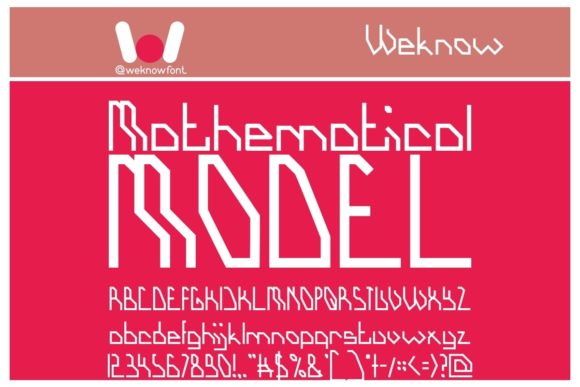
But what exactly is Mathematical Model? It’s a display font that combines mathematical symbols, geometric shapes, and stylized lettering into a cohesive and visually striking design. The font isn’t just about looking good—it’s about telling a story through typography. Each character is crafted to evoke a sense of curiosity and wonder, making it ideal for projects that aim to engage and inspire.
Where and When to Use Mathematical Model
Mathematical Model shines in situations where you want to convey a sense of innovation, intelligence, or playfulness. It’s perfect for educational materials, tech startups, and creative agencies looking to stand out. For instance, if you're developing a website for a math tutoring service, using this font in headings or logos can immediately communicate the subject matter while adding a modern aesthetic.
It also works well in digital marketing. Imagine a social media post promoting a new app or software tool. Using Mathematical Model in your headline can catch attention and set the tone for a message that's both informative and engaging. The font’s distinct style helps your content stand out in a crowded space, making it easier for your audience to remember and connect with your brand.
Real-World Applications of Mathematical Model
Let’s look at some practical scenarios where Mathematical Model can be useful. For a small business owner running an online store, using this font in product titles or promotional banners can add a unique visual element that differentiates their brand from competitors. It’s especially effective for products related to science, technology, or education, as it reinforces the theme of innovation and knowledge.
For educators, Mathematical Model can be a powerful tool in lesson plans or classroom materials. Teachers can use it in posters, handouts, or digital presentations to make complex concepts more approachable. The font’s playful yet professional look makes it suitable for both younger students and adult learners, helping to create a more engaging learning environment.
Content creators and bloggers can also benefit from this font. If you’re writing a post about data visualization or artificial intelligence, incorporating Mathematical Model into your title or subheadings can draw readers in and signal the topic’s technical nature. It’s a subtle but effective way to establish authority and credibility in your niche.
Who Can Benefit From Mathematical Model?
The beauty of Mathematical Model lies in its versatility. Different users can leverage it in various ways depending on their goals and needs. For example, a freelance designer might use it in client proposals to showcase a creative approach, while a marketer could use it in email campaigns to highlight key messages with visual impact.
Entrepreneurs launching a new product or service can use the font to create eye-catching logos or branding elements. It’s especially useful for businesses that want to communicate a sense of forward-thinking and originality. By choosing a font that stands out, you’re not just designing a logo—you’re building a brand identity that resonates with your target audience.
Things to Consider Before Using Mathematical Model
Before diving into using Mathematical Model, it’s important to consider how it will fit into your overall design strategy. While the font is visually appealing, it’s best suited for display purposes rather than body text. Its intricate details and unique style may not be ideal for long paragraphs, as it can become difficult to read at smaller sizes.
You should also think about the context in which you’ll use it. For example, if you’re designing a professional document, you might want to pair Mathematical Model with a more traditional font for balance. On the other hand, if you’re creating a creative project like a poster or a website header, the font can take center stage without any issues.
Another factor to consider is accessibility. Make sure that the font doesn’t compromise readability, especially for users with visual impairments. Testing it across different devices and screen sizes can help ensure that it looks good and functions well in all environments.
How to Get Started With Mathematical Model
If you’re interested in using Mathematical Model, the first step is to find a reliable source for downloading or purchasing the font. Many design platforms offer it for free or at a low cost, making it accessible to a wide range of users. Once you’ve obtained the font, you can experiment with it in different design tools like Adobe Photoshop, Illustrator, or even Canva.
Don’t be afraid to play around with different styles and layouts. Try using it in headlines, logos, or icons to see how it enhances your work. The more you experiment, the better you’ll understand how to use it effectively in your specific projects.
Remember, the goal is to use Mathematical Model in a way that adds value to your designs. Whether you’re a designer, educator, entrepreneur, or content creator, this font has the potential to elevate your work and make it more memorable. With the right approach, it can become a valuable asset in your creative toolkit.