Introducing the Fakodi Arabic Style Font: A Modern Twist on Traditional Typography
In today's digital age, typography plays a crucial role in communication, design, and branding. Whether you're creating a website, designing a logo, or crafting a marketing campaign, the right font can make all the difference. One such font that has gained popularity for its unique blend of traditional and modern aesthetics is the Fakodi Arabic style font. This exclusive font set brings together the best of modern Arabic-style design, offering a versatile and visually appealing option for a wide range of applications.
What is the Fakodi Arabic Style Font?
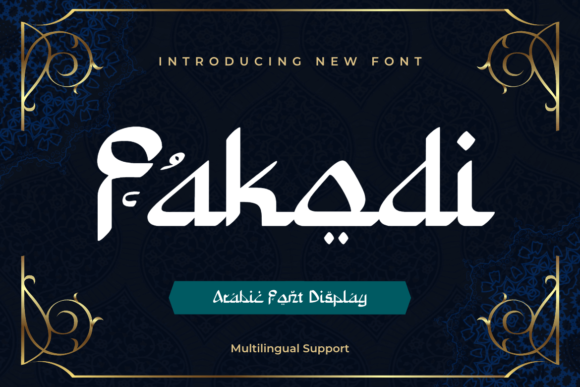
The Fakodi Arabic style font is a digital typeface designed to capture the essence of traditional Arabic calligraphy while incorporating contemporary design elements. It is ideal for those who want to add a Middle Eastern flair to their projects without sacrificing readability or modern appeal. The font features both uppercase and lowercase letters, making it suitable for a variety of text formats, from headings to body copy.
One of the standout features of the Fakodi font is its availability in alternate styles. This means that users can choose between different variations of the same letterforms, allowing for greater flexibility in design. Whether you're looking for something elegant, bold, or minimalist, the Fakodi font offers options to suit your needs.
Why Choose the Fakodi Arabic Style Font?
The Fakodi Arabic style font is more than just a decorative choice—it’s a powerful tool for designers, writers, and businesses looking to connect with audiences in a meaningful way. Here are a few reasons why this font stands out:
- Elegant and Stylish: The Fakodi font combines the grace of traditional Arabic script with modern simplicity, making it perfect for high-end designs, logos, and branding materials.
- Versatile Usage: With support for both uppercase and lowercase letters, the Fakodi font can be used in a wide range of contexts, from web design to print media.
- Cultural Relevance: For those looking to incorporate Middle Eastern culture into their work, the Fakodi font provides an authentic and respectful representation of Arabic typography.
- Easy to Use: Designed with usability in mind, the Fakodi font is compatible with most design software and platforms, making it accessible to both beginners and professionals.
The Purpose and Significance of Arabic-Style Fonts
Arabic-style fonts have been around for centuries, rooted in the rich history of Arabic calligraphy. From the intricate scripts of the Quran to the elegant designs of Islamic art, Arabic typography has always held cultural and artistic significance. However, in the modern era, these fonts have evolved to meet the demands of digital design and global communication.
The purpose of Arabic-style fonts like Fakodi is to bridge the gap between tradition and innovation. They allow designers to create content that feels culturally relevant while still being visually appealing to a broad audience. This is especially important in fields such as marketing, education, and technology, where visual identity plays a key role in user engagement and brand recognition.
Moreover, the use of Arabic-style fonts can help promote inclusivity and diversity in design. By incorporating elements of Arabic typography, designers can create more inclusive and representative visuals that resonate with a wider range of audiences.
How Fakodi Fits Into Modern Life
The Fakodi Arabic style font is not just a tool for designers—it has practical relevance in various aspects of modern life. Here are some examples of how this font can be used:
- Business Branding: Companies looking to establish a Middle Eastern presence or target Arabic-speaking audiences can use the Fakodi font to create logos, packaging, and marketing materials that reflect cultural authenticity.
- Education: In educational settings, the Fakodi font can be used to create visually engaging learning materials, such as textbooks, presentations, and digital content, that appeal to students with an interest in Arabic culture.
- Technology and Web Design: With the rise of multilingual websites and mobile apps, the Fakodi font can be used to enhance user experience by providing a visually appealing and culturally relevant interface for Arabic speakers.
- Art and Creativity: Artists and creative professionals can use the Fakodi font to add a unique touch to their work, whether it's in graphic design, illustration, or digital art.
Common Misconceptions About Arabic-Style Fonts
Despite their growing popularity, there are still some common misconceptions about Arabic-style fonts. One of the most frequent misunderstandings is that they are only suitable for specific types of projects or audiences. However, the truth is that Arabic-style fonts like Fakodi can be used in a wide range of contexts, from corporate branding to personal projects.
Another misconception is that Arabic-style fonts are difficult to read or less legible than standard fonts. While some traditional Arabic scripts may be complex, modern Arabic-style fonts like Fakodi are designed with readability in mind. They balance aesthetic appeal with functionality, ensuring that the text remains clear and easy to understand.
Additionally, some people may assume that using an Arabic-style font is only necessary for projects targeting Arabic-speaking audiences. However, even in non-Arabic contexts, these fonts can add a unique and sophisticated touch to designs, making them a valuable addition to any designer's toolkit.
Conclusion: Embracing the Beauty of Arabic Typography
The Fakodi Arabic style font is a testament to the evolving nature of typography in the digital age. By combining the elegance of traditional Arabic calligraphy with modern design principles, it offers a versatile and visually striking option for a wide range of applications. Whether you're a designer, educator, business owner, or creative professional, the Fakodi font provides a powerful way to express cultural identity, enhance visual appeal, and connect with diverse audiences.
As the world becomes more interconnected, the importance of culturally relevant and visually appealing typography continues to grow. The Fakodi Arabic style font is a prime example of how traditional design elements can be adapted to meet the needs of modern audiences. By embracing fonts like Fakodi, we not only honor the rich heritage of Arabic typography but also open up new possibilities for creativity and expression in the digital landscape.